Do-It-Yourself vs. Professional Drain Cleaning: Which Is Right for Your Property?
When confronted with a clogged drain, homeowners often evaluate the options of DIY solutions compared to professional services. DIY methods can seem appealing because of their cost-effectiveness, however they may not always fix deeper issues. On the other hand, professionals bring expertise and advanced tools, but at a higher price. Understanding the implications of each choice can be crucial. What factors should a homeowner consider before making this decision?
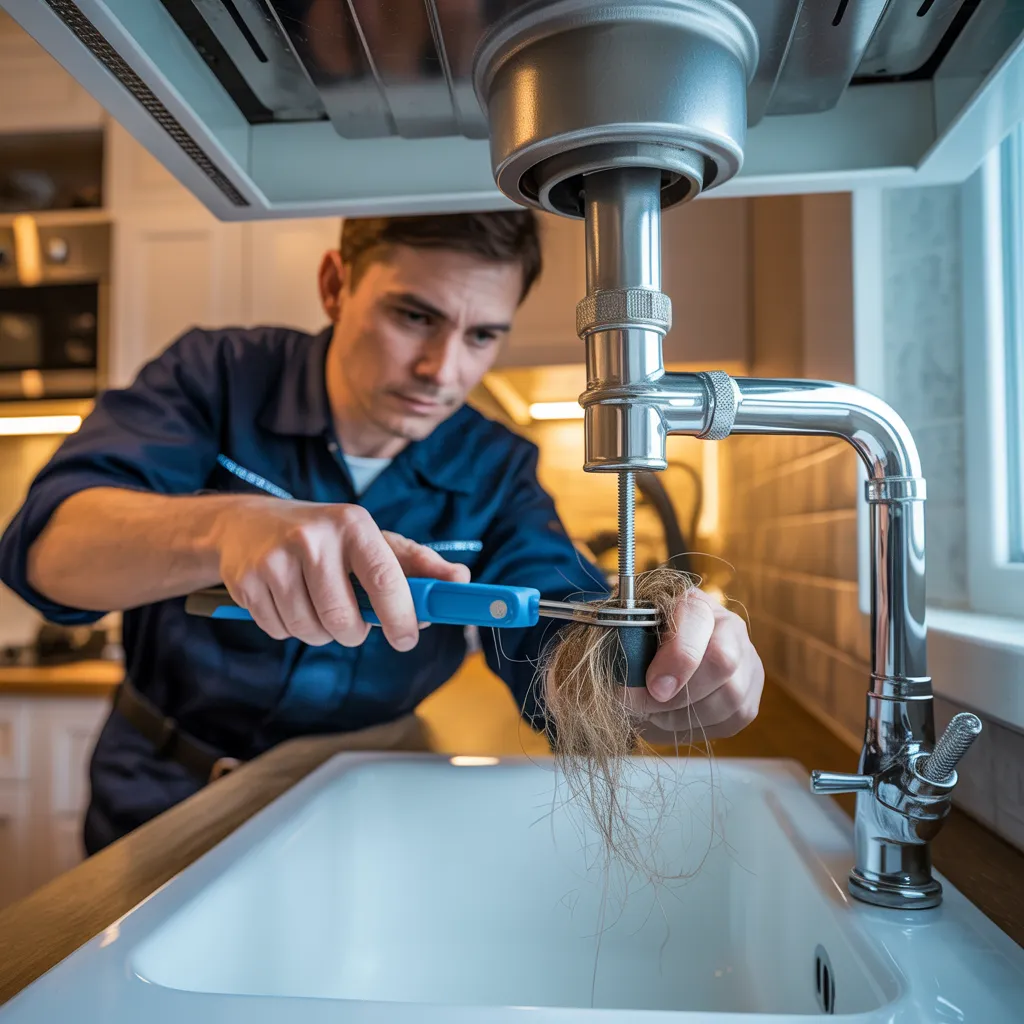
Is DIY Drain Cleaning Worth It?
Is do-it-yourself drain cleaning really a budget-friendly option? Many homeowners consider this approach, assuming it can cut costs. Straightforward methods, for example employing a plunger or a homemade baking soda and vinegar solution, are easily accessible and budget-friendly. However, the success rate of these approaches can change dramatically, based on the seriousness of the clog. While minor blockages may yield to DIY endeavors, ongoing or complex issues could fail to react to basic methods, leading to exasperation and potential damage.
Moreover, incorrect use of tools or chemicals can worsen the problem, leading to pricey repairs. Homeowners need to also factor in the time and effort needed for proper DIY cleaning. In some instances, the initial savings can be negated by the risk of additional complications. Consequently, while DIY drain cleaning can deliver a temporary solution, its long-term value remains uncertain, necessitating careful consideration of the potential need for professional support.
The Benefits of Professional Drain Cleaning Services
Although DIY techniques can deliver short-term relief, professional drain cleaning services deliver numerous benefits that ensure long-term results. Skilled technicians utilize state-of-the-art equipment, such as hydro-jetting and camera inspections, to identify and address the root causes of clogs. This expertise assures that underlying problems, like tree root intrusion or pipe corrosion, are effectively addressed.
Moreover, professional plumbing services decrease the risk of damage to plumbing systems, which can take place when untrained people attempt to handle complex problems. Additionally, these services often deliver proactive maintenance, enabling homeowners prevent future blockages and expensive repairs.
Expert drain cleaning professionals additionally have comprehensive understanding of local building codes and regulations, guaranteeing compliance during service. Finally, employing professional drain cleaning improves overall system longevity and performance, offering peace of mind that DIY methods simply cannot match.
Successful Do-It-Yourself Drainage Cleaning Approaches
For residents searching for instant remedies to light drain issues, several effective DIY drain cleaning techniques can offer short-term solutions. A common method involves mixing baking soda and vinegar. Pouring a half cup of baking soda and then 1/2 cup of vinegar into the drain can assist in breaking down buildup. After waiting for about 30 minutes, running hot water typically unclogs the pipes.
Another method utilizes a plunger. By creating a seal around the drain and exerting strong thrusts, a plunger can eliminate stubborn clogs. For more difficult blockages, a plumber's snake or auger can be utilized to reach deeper obstructions.
Moreover, a mixture of salt and boiling water can assist in break down grease and debris. Routine maintenance, such as pouring hot water down the drain weekly, can also avoid future clogs. These methods present homeowners budget-friendly solutions before seeking professional assistance.
Hazards of DIY Drain Cleaning to Be Aware Of
Participating in DIY drain cleaning can result in unforeseen risks that homeowners should be informed about. One notable concern is the potential for chemical burns or injuries from using harsh drain cleaners. These products can be dangerous if mishandled, causing damage to both skin and eyes. In addition, improper use of tools, such as drain snakes, may result in damage to plumbing fixtures or pipes, creating costly repairs.
Home residents might likewise cause clogs farther along the pipes by displacing debris rather than eliminating it. Insufficient knowledge may worsen current problems, rendering them more difficult to fix. Furthermore, certain drainage concerns could signal more serious troubles in the pipe network, which a do-it-yourself method may miss. This oversight can lead to more severe complications and increased repair costs. Consequently, recognizing these dangers is essential prior to choosing to handle drainage maintenance on your own.
Picking Between DIY and Professional Services
The decision to clean drains can often leave homeowners weighing the merits of DIY methods against hiring professionals. DIY approaches can be appealing due to their cost-effectiveness and the satisfaction of completing a task independently. Homeowners may feel empowered by using readily available tools and products to tackle minor clogs. Nevertheless, this approach involves hazards such as possible plumbing damage and unsatisfactory outcomes.
Conversely, professional drain cleaning services offer expertise and specialized equipment, guaranteeing thorough and safe removal of blockages. Professional technicians can quickly diagnose underlying issues that could go unnoticed by an untrained eye, possibly saving homeowners from more costly repairs in the future.
In the end, the selection relies on the extent of the blockage, the homeowner's comfort level with plumbing work, and budget considerations. A careful analysis of these elements can guide homeowners toward the most appropriate solution for their particular situation.
Frequently Asked Questions
What's the Ideal Frequency for Cleaning My Drains?
Drains ought to be cleaned ideally every six to twelve month periods, based on usage and household factors. Regular upkeep helps avoid clogs and guarantees efficient drainage, encouraging a healthier plumbing system for any home overall.
What Items Are Required for DIY Drain Cleaning?
To properly clean drains, required tools include a plunger, plumbing snake, baking soda, vinegar, a wet/dry vacuum, and discover now a pair of rubber gloves. These items aid in tackling clogs and keeping drains hygienic.
Are Chemical Cleaners Safe to Use?
Chemical cleaners can be used safely if instructions are followed carefully. Nevertheless, incorrect use can damage pipes or create health hazards. Wearing protective equipment and ensuring adequate ventilation during use is essential.
Which Signs Suggest a Significant Drainage Issue?
Frequent clogs, sluggish drainage, unpleasant odors, gurgling sounds, and water backups are warning signs of major drainage problems. Overlooking these signs may result in more severe plumbing problems needing professional attention to prevent costly repairs.
How Much Do Professional Services Typically Cost?
Professional drain cleaning services generally range from $100 to $500, depending on the severity of the blockage and local market rates. Additional complications may raise costs, making it important to examine specific needs before hiring.